Streamline Client Onboarding with This Notion Brand Questionnaire
Every successful design project begins long before the first sketch or color palette is chosen. It starts with a deep, structured conversation between the creative and the client. Without this foundation, projects often drift, revisions multiply, and the final brand identity can feel disconnected from the business's core mission. For designers, agencies, and freelancers, capturing this critical information efficiently is the difference between a chaotic process and a streamlined, professional one. This is where a dedicated system transforms your workflow.
Beyond a Simple Form: A Strategic Brand Discovery Tool
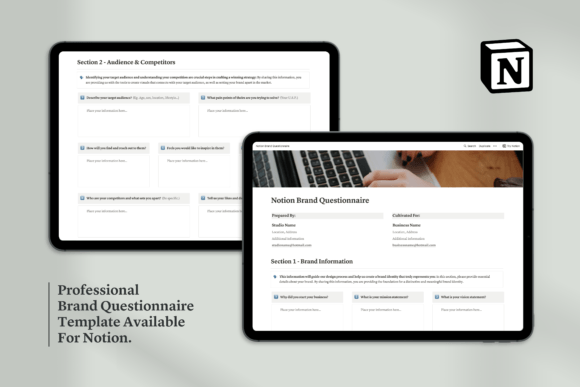
A generic intake form asks for contact details and a project timeline. A strategic brand questionnaire, however, acts as a diagnostic tool. It peels back the layers of a business to uncover its true essence, challenges, and aspirations. The Notion Brand Questionnaire Template is designed specifically for this purpose. It’s not a static PDF but a dynamic, interactive workspace within Notion that guides clients through a thoughtful self-reflection process before you even schedule the kickoff call.
The structure is what makes it powerful. By organizing inquiries into logical sections—like Personnel Info, Brand Information, and Audience & Competitors—it prevents clients from feeling overwhelmed. They can tackle one meaningful area at a time, providing detailed, considered answers. For you, the creative professional, this means receiving organized, actionable data from day one. You stop chasing scattered emails and start your work with a comprehensive client brief already compiled.
Practical Applications: From Initial Brief to Final Assets
The insights gathered from this questionnaire directly fuel every tangible aspect of a brand's visual and strategic presence. Here’s how the information translates into real-world design and business outcomes:
- Logo Design & Visual Identity: Answers about brand personality, preferred aesthetics, and inspirations directly inform the creative direction. Knowing a client wants to feel "approachable and innovative" versus "luxurious and traditional" sets two completely different design paths.
- Packaging & Print Materials: Understanding the target audience's pain points and the competitive landscape helps design packaging that stands out on a shelf and communicates value instantly. Preferences for color and font style ensure the physical product aligns with the digital brand.
- Website & Blog Design: Clarity on the brand's mission and long-term goals ensures the website isn't just beautiful but functional, guiding users toward key actions. Audience insights shape the site's tone and content structure.
- Social Media Graphics & Marketing Assets: A defined visual identity, including color codes and typography preferences, allows for the creation of cohesive templates. This consistency builds recognition across every Instagram post, Facebook ad, and email newsletter.
- Merchandise, Invitations & Editorial Layouts: For projects like merchandise or event invitations, the "Avoidance of Specifics" section is invaluable. Knowing what a client dislikes prevents wasted concepts and focuses the creative energy on directions they will love.
Building Brand Recognition Through Consistency
One of the greatest challenges in branding is maintaining consistency across all touchpoints. A client might love a script font you propose for their logo but fail to see how it becomes illegible on a mobile website. The questionnaire's sections on Aesthetic Principles and Visual Identity tackle this head-on. By discussing font style preferences, color psychology, and design usage upfront, you establish a framework for consistency.
This proactive approach improves several key areas:
- Visual Cohesion: When guidelines are derived from the client's own stated preferences, they are more likely to be adopted and adhered to across teams.
- Brand Recognition: Consistent use of specific colors, fonts, and imagery makes a brand instantly recognizable, whether on a business card or a billboard.
- Professional Presentation: A unified look across all materials signals reliability and attention to detail, elevating perceived professionalism.
- Audience Engagement: A brand that speaks clearly and consistently to its target audience fosters trust and connection, leading to better engagement.
Integrating This Tool into Your Creative Process
Adopting a new system requires a smooth integration into your existing workflow. The beauty of a Notion template lies in its flexibility. You can duplicate the questionnaire for each new client, customize questions to fit niche industries, and track completion status within your Notion project dashboard. It turns client onboarding into a repeatable, scalable process.
For the client, the experience is equally streamlined. They receive a single link to a clean, professional interface where they can work at their own pace. The inclusion of an FAQs section within the template itself can preemptively answer common questions about the process, saving you time on explanatory emails. The Terms & Conditions section can also be tailored to include your project policies, creating a seamless transition from discovery to contract.
Ultimately, this tool is about building better partnerships. It demonstrates your systematic approach to design and your commitment to understanding the business you're about to represent. By investing time in this structured discovery, you're not just designing a logo; you're crafting a strategic brand identity built on a foundation of shared clarity and vision. The result is less guesswork, fewer revisions, and more impactful work that truly resonates.