Crafting a Standout Carpenter Resume: Templates & Tips
That first impression on paper is everything. A hiring manager's eyes scan stacks of applications, and a cluttered, hard-to-read document often gets shuffled to the bottom. For a skilled carpenter, your resume isn't just a list of jobs—it's the blueprint of your professional story, showcasing the precision and care you bring to every project. The right presentation transforms your experience from a simple chronology into a compelling narrative that captures attention and opens doors to interviews.
Why Your Resume Layout Matters as Much as Your Skills
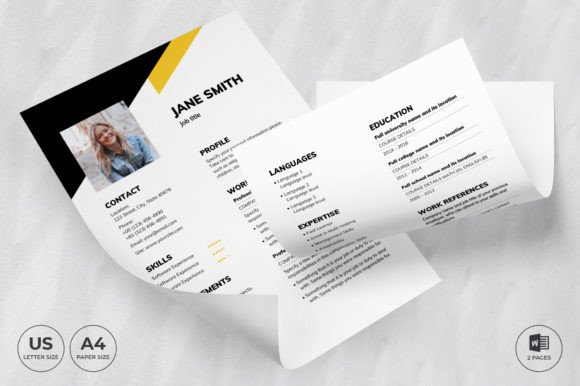
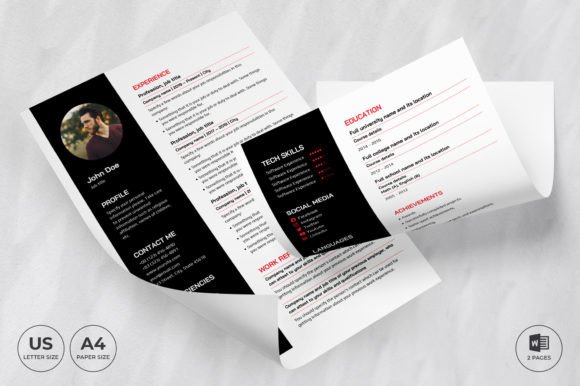
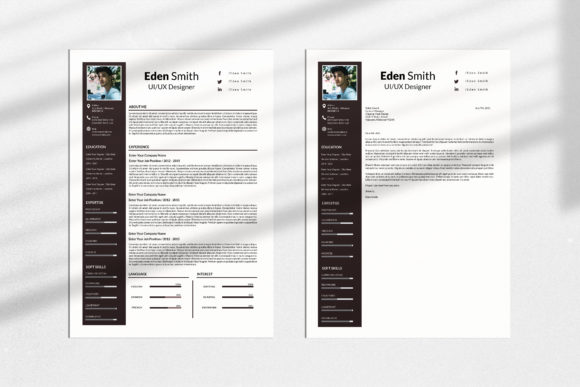
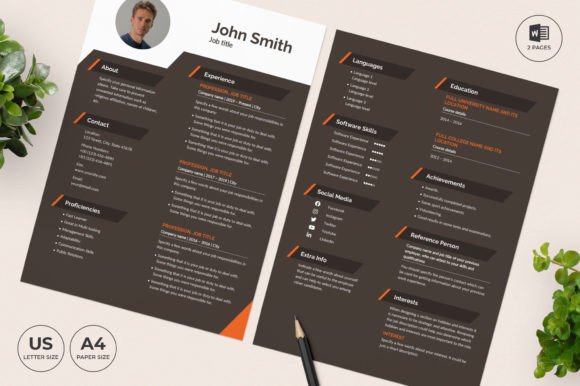
Think of your resume's design as the joinery of a fine piece of furniture. Poorly aligned sections, inconsistent spacing, or an overwhelming wall of text create visual friction, making it difficult for an employer to find the key information they need. A clean, modern template solves this. It uses a clear hierarchy, ample white space, and strategic use of bold or italic text to guide the reader's eye naturally from your summary to your skills, experience, and certifications. This isn't about flashy graphics; it's about professional clarity that respects the reader's time and highlights your most relevant qualifications.
A template built on a careful grid system ensures everything aligns perfectly, creating a polished, organized look. This structured approach is particularly valuable for trades like carpentry, where attention to detail and precision are non-negotiable skills. When your resume visually communicates order and competence before a single word is read, you're already making a strong case for your candidacy.
Practical Applications: More Than Just a Job Application
While the primary goal is landing your next position, a versatile resume template offers surprising utility for your broader professional presence. Consider using the same clean design principles for:
- Professional Portfolios: Create a cohesive look between your resume and portfolio pages or PDFs. Consistent use of fonts, color accents, and layout structure strengthens your personal brand identity.
- Business Cards & Flyers: If you do side work or run a small contracting business, the template's design elements can be adapted for marketing materials, ensuring all your touchpoints look unified and professional.
- Online Profiles: Use the same heading styles or color scheme on your LinkedIn profile or a personal website to create instant recognition and reinforce your professional image across platforms.
- Project Bids & Proposals: A well-structured document template can be repurposed for bidding on jobs, presenting your company information and project details in a clear, trustworthy format.
Maximizing Your Template's Potential
The true power of a customizable template lies in its flexibility. You're not locked into a rigid design; you have a professional framework to build upon. Here’s how to make it work for you:
Tailor the Content, Not Just the Look. Every single word in the template is editable. Replace generic job descriptions with powerful, action-oriented bullet points that quantify your achievements. Instead of "Responsible for framing," try "Led framing teams on 15+ residential new-builds, ensuring 100% compliance with blueprint specifications and safety codes." This shift from duty to accomplishment is what makes a resume compelling.
Customize for Readability and Brand. Play with the color palette. A subtle accent color in headings or icons can add personality without sacrificing professionalism—perhaps a deep navy or forest green that echoes a traditional trades aesthetic. Ensure the font choices are highly legible; a clean sans-serif for body text and a slightly bolder serif for headings is a classic, readable pairing. Always print a test page to check sizing and spacing.
Structure for Impact. Don't be afraid to add or remove sections. If you have specialized training in historic restoration or finish carpentry, create a dedicated "Specialized Skills" section. If you've completed major projects, a "Key Projects" section with brief descriptions can be more powerful than a simple job list. The goal is to present your unique strengths in the most logical order for your career story.
Choosing the Right Tools for the Job
When selecting a template, consider the file format and support. A template provided in a common, editable format like Microsoft Word allows for easy customization without needing advanced design software. Look for one that includes clear instructions—knowing how to properly edit headers, footers, and color schemes saves time and prevents frustration. High-resolution files ensure your resume looks crisp whether viewed on screen or printed out.
Ultimately, your resume is a marketing document for your skills. Investing a little time to customize a professional, well-organized template demonstrates the same pride in presentation that you take in your craftsmanship. It shows potential employers that you value clear communication and professional standards, making them more likely to believe you'll bring that same dedication to their job site. Start with a solid foundation, customize it to reflect your unique experience, and build a document that confidently opens the door to your next opportunity.