Competitor Analysis Template: The Strategic Slides You Actually Need
Every entrepreneur, marketer, and business strategist knows the sinking feeling of staring at a blank presentation deck, wondering how to distill complex market research into a compelling visual story. The truth is, you don't need 600 slides to make your point—you just need the right ones. A well-crafted Competitor Analysis Template gives you exactly that: a focused, visually dynamic framework that transforms raw data into persuasive insights. Whether you're preparing for an investor pitch, a team strategy session, or a client review, starting with a professional template designed for competitor analysis means you're already halfway to a presentation that pops.
Why Most Competitor Presentations Fall Flat
We've all sat through them: decks crammed with bullet points, inconsistent formatting, and charts that require a decoder ring to interpret. The problem isn't usually the research—it's the presentation. A cluttered, poorly designed competitor analysis deck can undermine even the most thorough market insights. Your audience—whether they're investors, colleagues, or clients—needs to grasp competitive landscapes quickly and clearly. That requires visual hierarchy, strategic white space, and a cohesive design language that guides the eye from one key point to the next. This is where a thoughtfully designed template becomes your secret weapon, providing the structure so you can focus on the story.
What Makes a Competitor Analysis Template Visually Effective
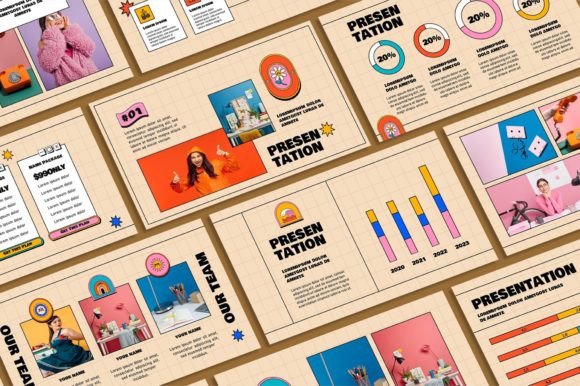
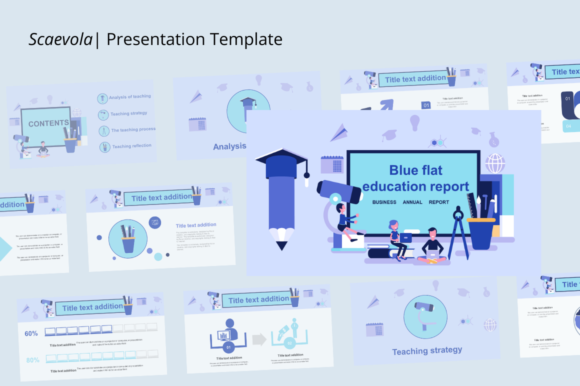
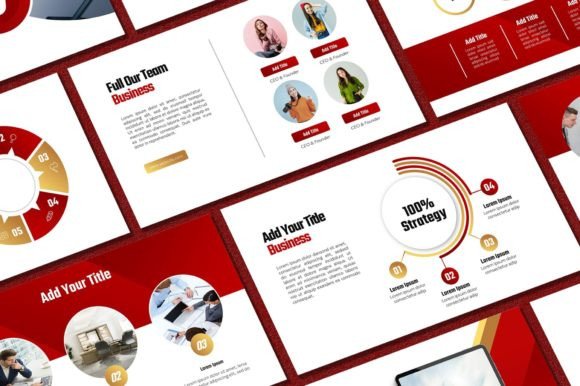
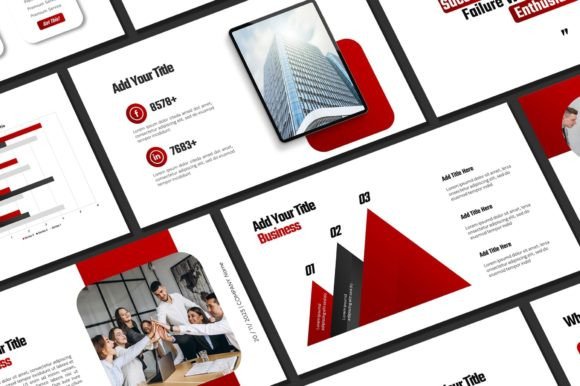
The best templates for competitor analysis aren't just pretty—they're purposeful. They balance aesthetic appeal with functional design, ensuring every slide serves a specific communication goal. Look for templates that include comparison matrices, SWOT analysis layouts, market positioning maps, and feature-by-feature breakdowns. The visual appeal comes from clean typography, balanced color palettes, and intuitive data visualization. When a template is designed by professionals who understand both business strategy and visual communication, it doesn't just look good—it makes your data more accessible and your arguments more persuasive. The right design elements can highlight patterns, emphasize differences, and tell a cohesive visual story about where your business stands in the competitive landscape.
Practical Applications Beyond the Boardroom
While investor pitches and strategy meetings are obvious use cases, a versatile competitor analysis template finds application across numerous business scenarios. Marketing teams use them to inform campaign strategies by visually mapping competitor messaging and positioning. Product managers leverage these templates to justify feature development by showing competitive gaps. Sales teams create customized versions to demonstrate competitive advantages to prospects. Even small business owners conducting quarterly reviews find value in maintaining a consistent visual format for tracking market movements over time. The template becomes a living document—a visual repository of competitive intelligence that evolves with your market understanding.
Designing for Clarity and Impact
Effective competitor analysis presentations prioritize clarity above all else. This means choosing a template with clean sans serif fonts for readability, consistent color coding for different competitor categories, and ample white space to prevent visual overload. The template should guide your audience through a logical narrative: starting with market overview, moving through specific competitor profiles, highlighting key differentiators, and concluding with strategic implications. Visual elements like icons, charts, and comparison tables should simplify complex information rather than decorate it. When every design choice serves communication, your presentation becomes not just informative but genuinely engaging—keeping your audience focused on your insights rather than struggling with your slides.
Customization That Maintains Professional Standards
One of the greatest advantages of a premium template is the ability to customize while maintaining professional polish. A well-designed Competitor Analysis Template should offer flexibility in color palettes, font choices, and layout adjustments without compromising its structural integrity. This allows you to align the presentation with your brand identity—using your corporate colors, fonts, and logo—while still benefiting from the template's strategic design framework. The ability to create a custom branded theme means every presentation you deliver reinforces your visual identity, building recognition and professionalism across all your communications. This consistency is particularly valuable for agencies and consultants who need to present to multiple clients while maintaining their own brand presence.
Choosing the Right Template for Your Needs
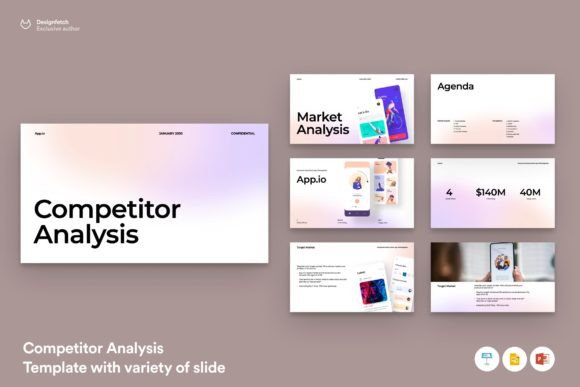
When selecting a competitor analysis template, consider both your immediate needs and potential future applications. Look for templates that include a variety of slide types: overview slides, detailed comparison slides, data visualization options, and summary slides. The best templates are those that feel comprehensive without being overwhelming—providing just enough structure to guide your presentation while leaving room for your unique content and perspective. Pay attention to the included icons, charts, and graphic elements—are they versatile enough to represent your specific industry? Can the template adapt to different levels of detail, from high-level strategic overviews to granular feature comparisons? A template that grows with your needs provides lasting value beyond a single presentation.
Ultimately, a great Competitor Analysis Template is more than just a collection of slides—it's a strategic communication tool. It transforms the often-tedious process of market research into a compelling visual narrative that informs decisions, persuades stakeholders, and clarifies your competitive position. By starting with a professionally designed framework, you save countless hours of formatting and design work, allowing you to focus on what really matters: the insights themselves. In a world where attention spans are short and competition for mindshare is fierce, presenting your competitive analysis with visual clarity and professional polish isn't just nice to have—it's essential for making your message heard and remembered.